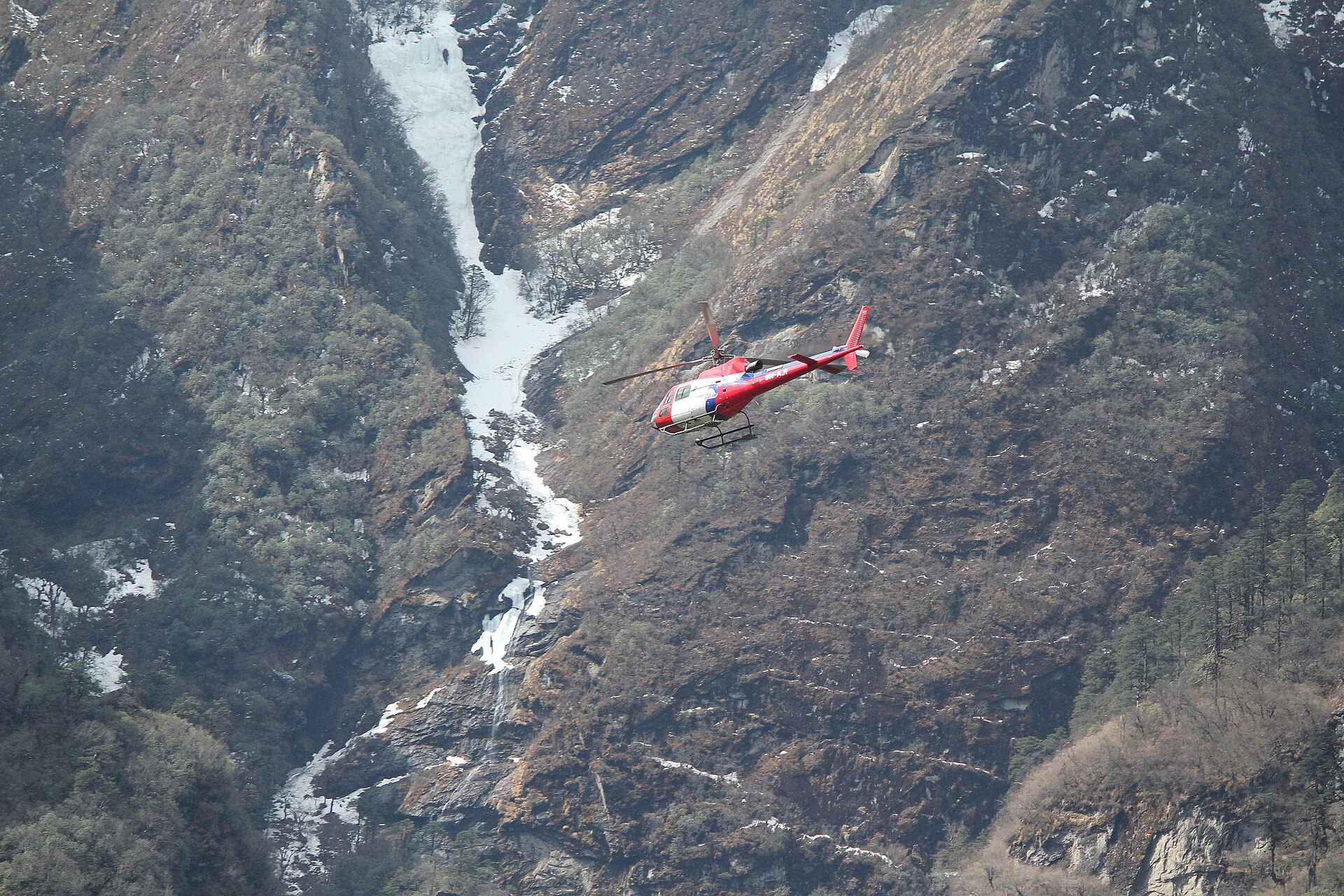
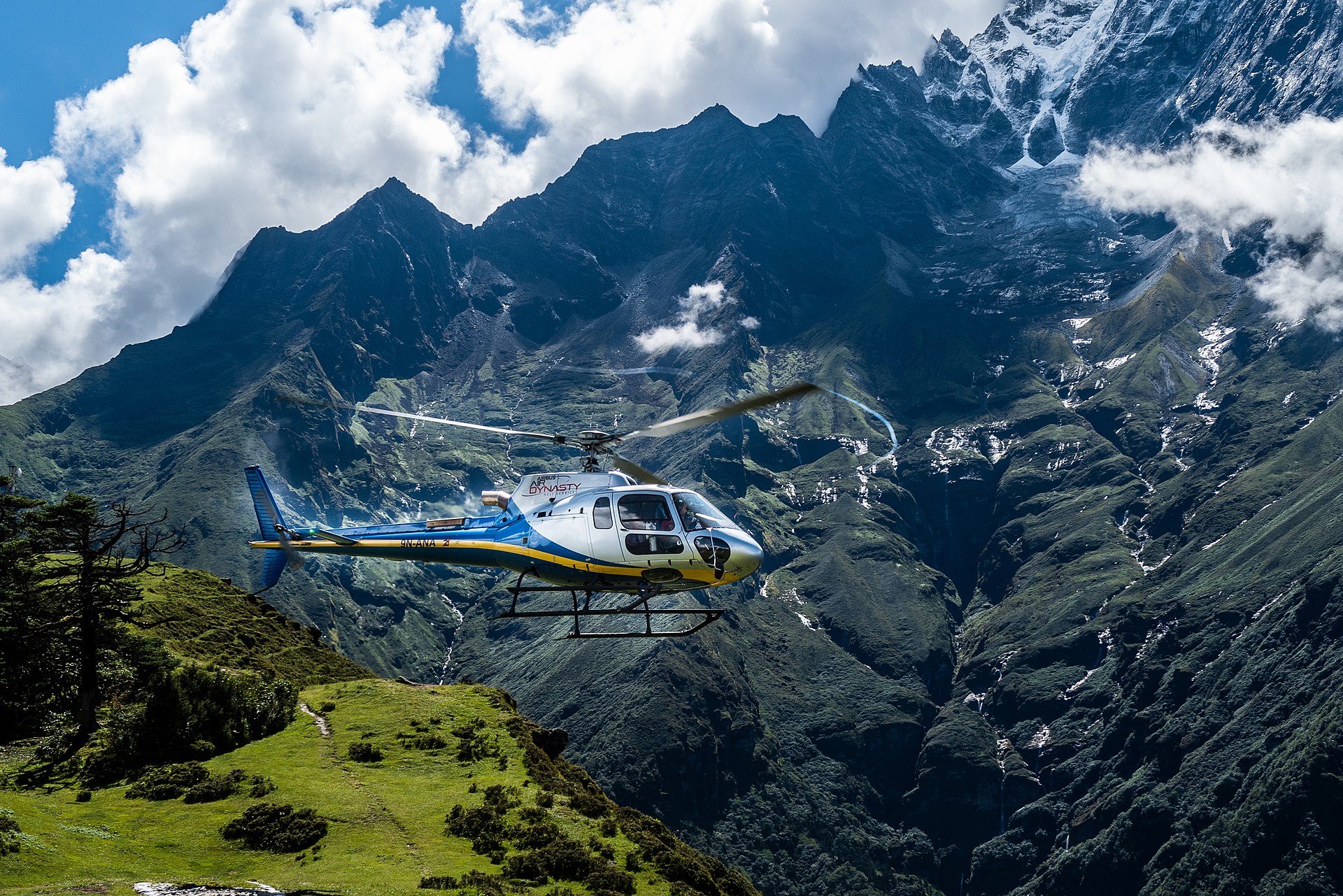
 © Sumita Roy Dutta / Wikimedia Commons · CC BY-SA 4.0
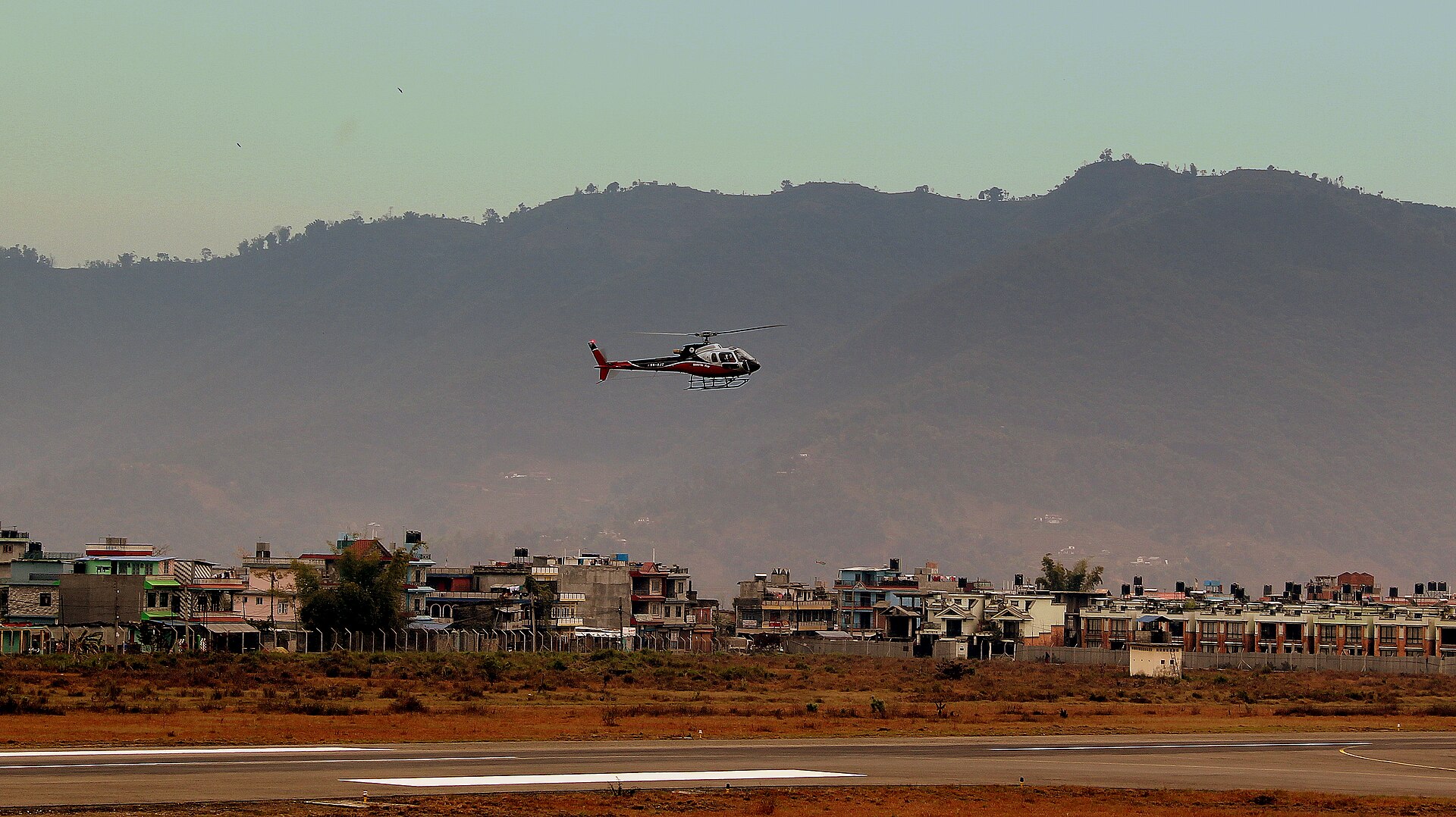
Airbus AS350 B3e
The helicopter you will see most in Nepal. This type made the highest helicopter landing ever, on the summit of Everest.
Seats5
Ceiling23,000 ft
Cruise120 kt
Base Camp, the Annapurna Sanctuary, Muktinath — and back before lunch. Tell every licensed operator where you want to go, then pick the price you like.
Every operator we list holds a current flying licence
Where everyone's flying
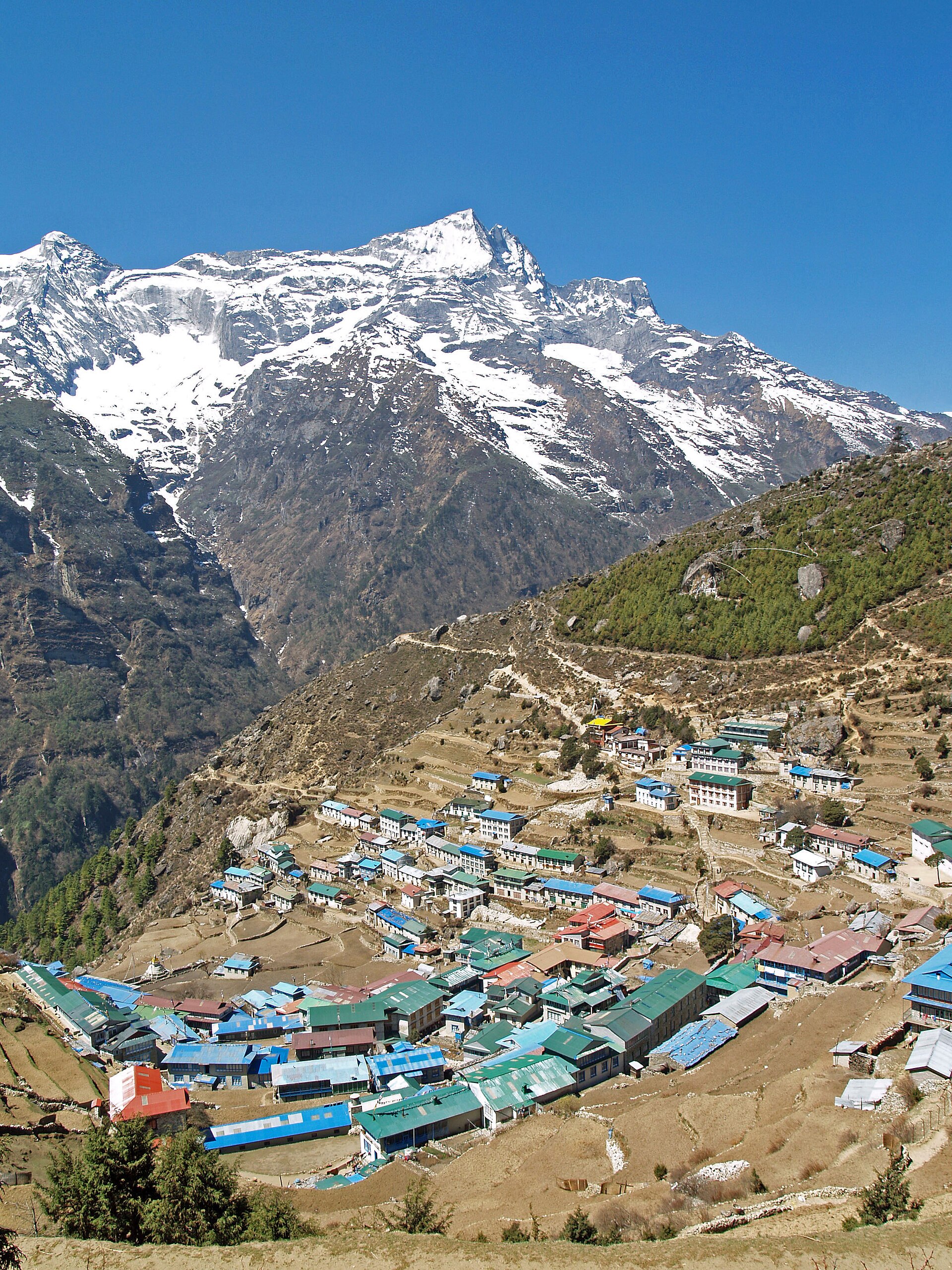
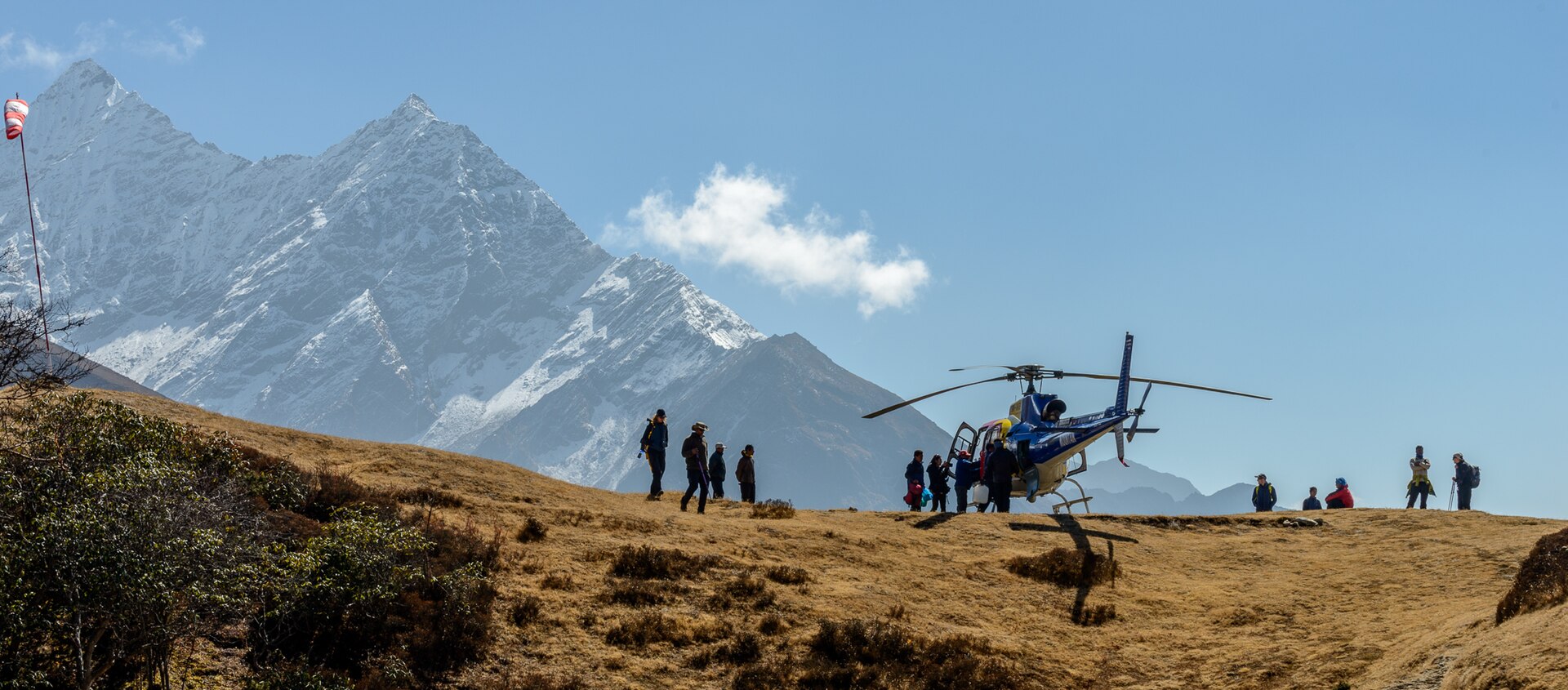
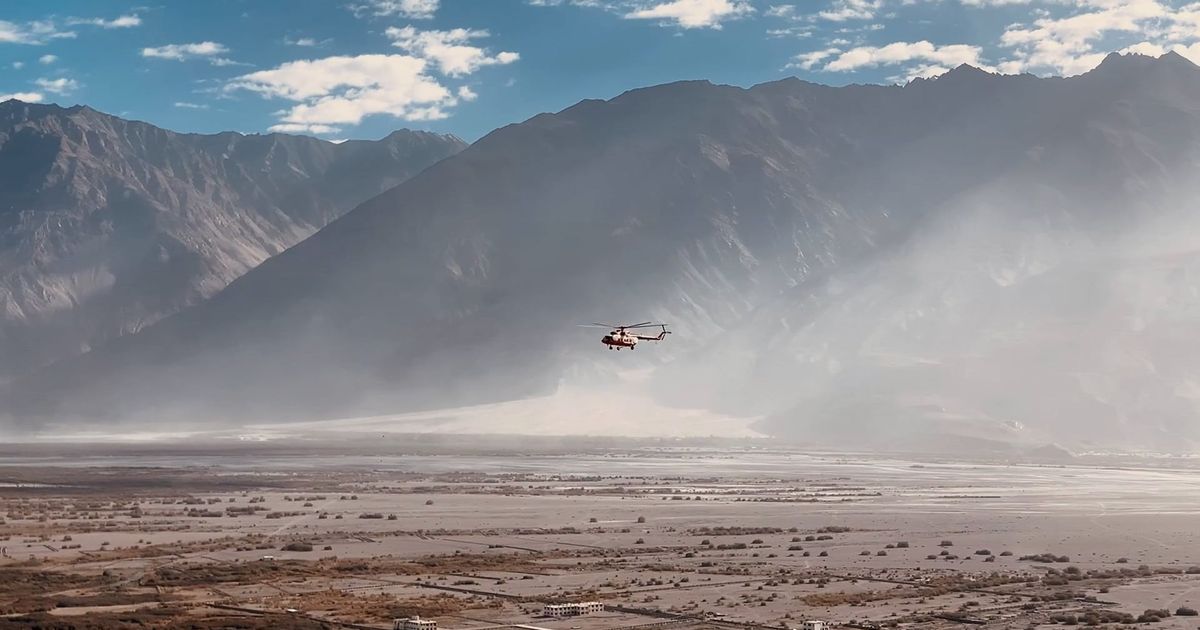
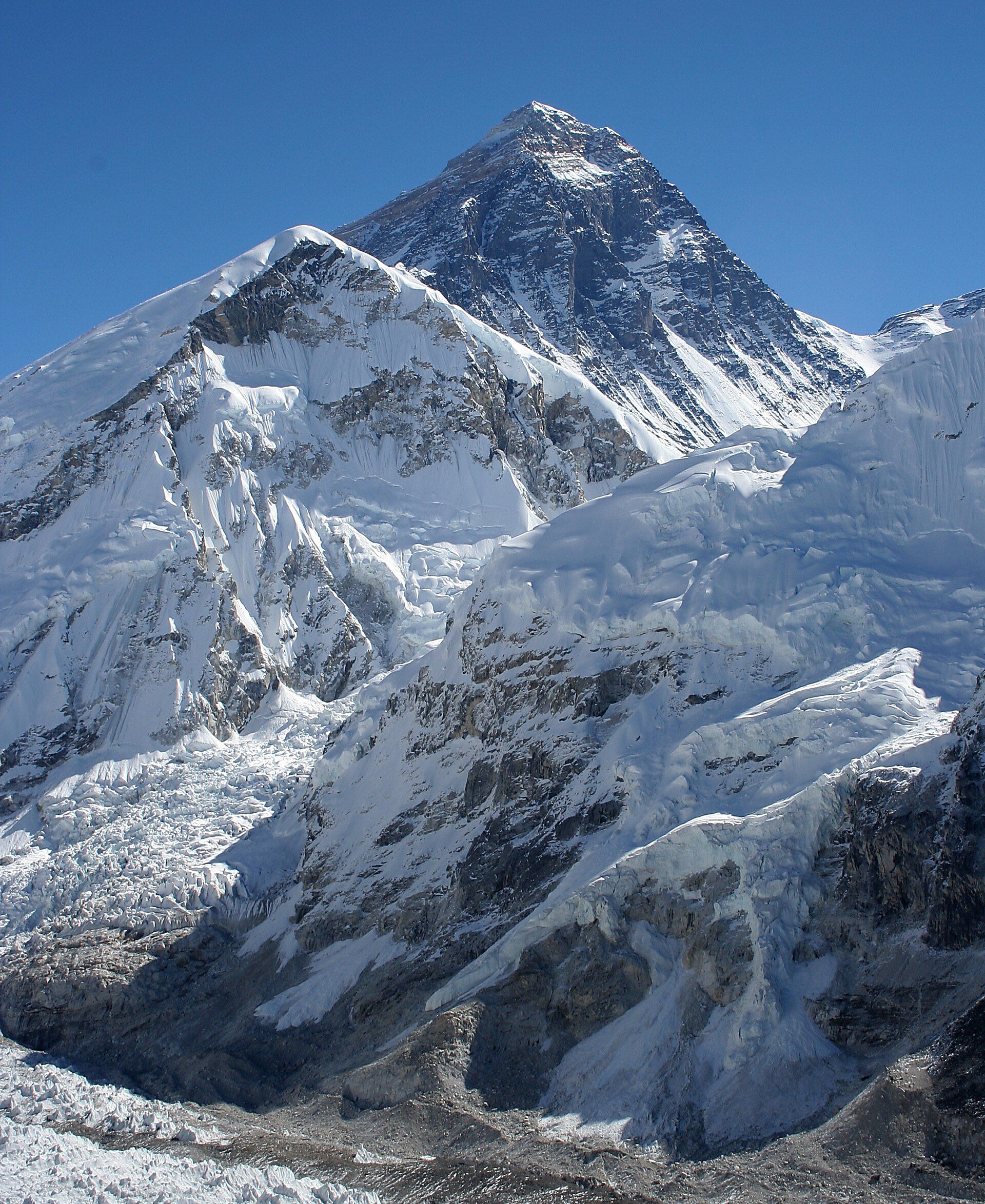
Real photographs of the places these aircraft actually land, and the cheapest seat we have seen on each.
Pay less
None of these are sales that end on Friday. They are structural reasons a helicopter costs less, and they are available every day of the year.
Most scenic helicopters carry five. If there are two of you, join a flight other travellers are already filling and pay for two seats instead of the aircraft.
See shared departuresA helicopter that has dropped its passengers has to fly home anyway. Those legs go cheap because the alternative is flying them empty.
Browse empty legsYou pay for the helicopter, not per head. Past about four people the private charter costs each of you less than five single seats would.
Price a charterCompare and book
Prices for a single seat and for the whole helicopter, side by side, from every operator that flies it. The same Everest tour can cost fifteen per cent more from one company than another.
We cannot show the routes right now.
Call +977 1 4000 900 or use the Flight Desk below and we will quote you directly.
Shared seats
Buy one or two seats on a flight other travellers are already filling, instead of paying for the whole helicopter.
Everest Base Camp
Departs most mornings
Annapurna Base Camp
Daily from Pokhara
Muktinath Darshan
Daily when the weather is good
Lukla to Kathmandu
Same day, whenever you need it
One morning, three landings
Kathmandu
1,338mWheels up 06:15, first light
Lukla
2,846mFuel stop, 7 to 15 minutes, on the way out and back
Kala Patthar
5,545m10 to 15 minutes on the ground
Where you'll go
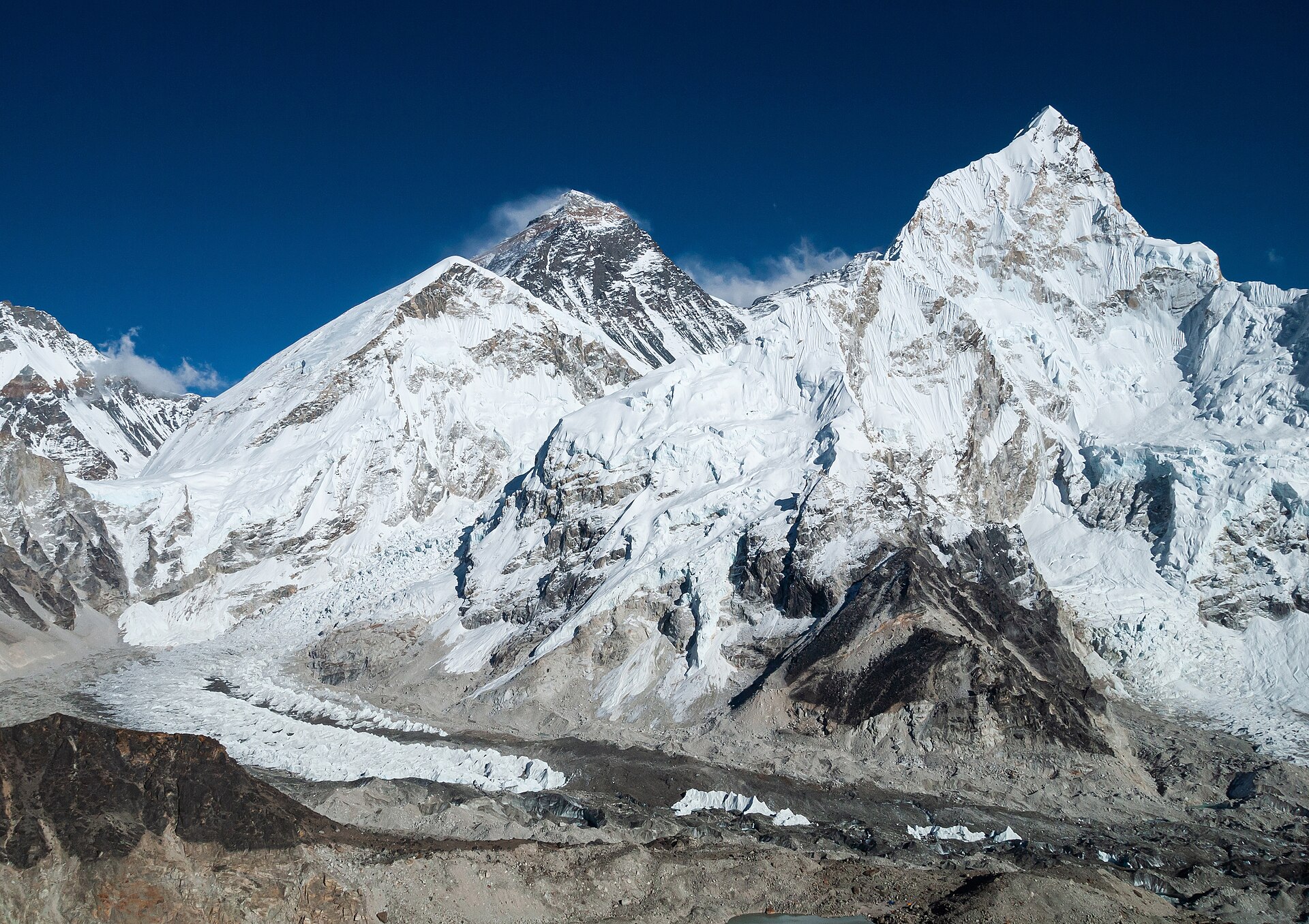
Kala Patthar at 5,545 m. The Lukla runway, 527 m long and built on a slope. The Kali Gandaki, the deepest gorge on earth.
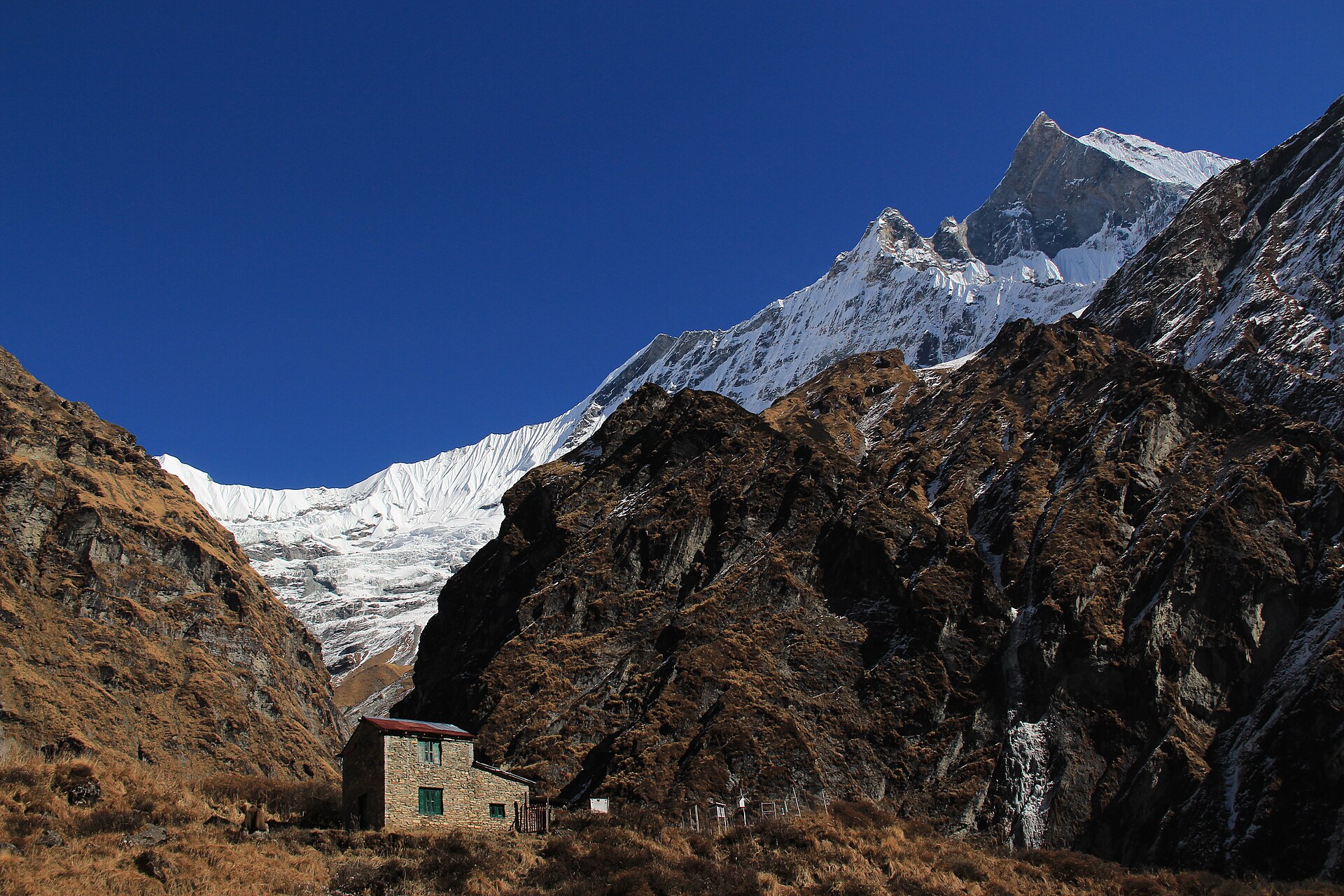
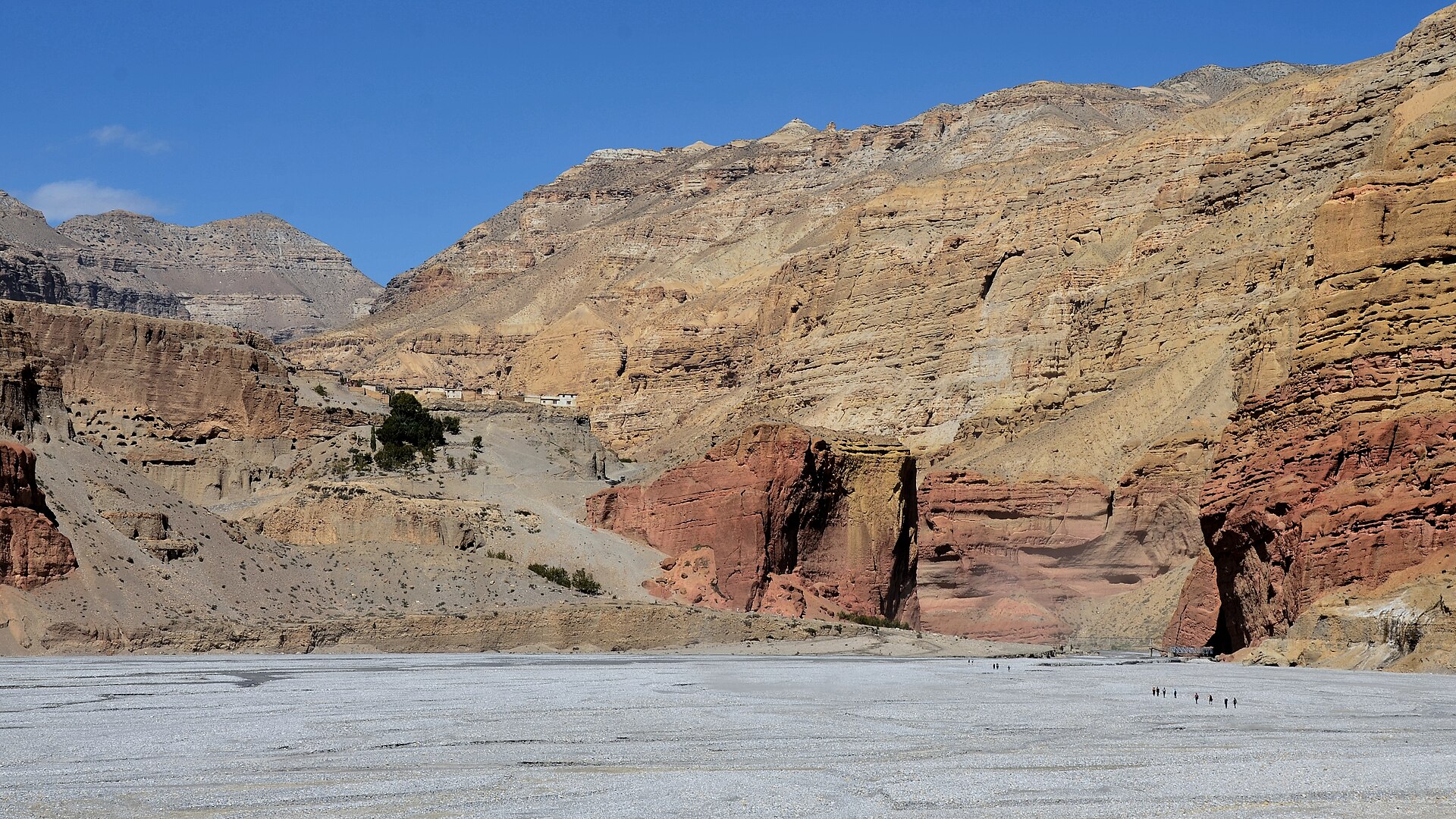
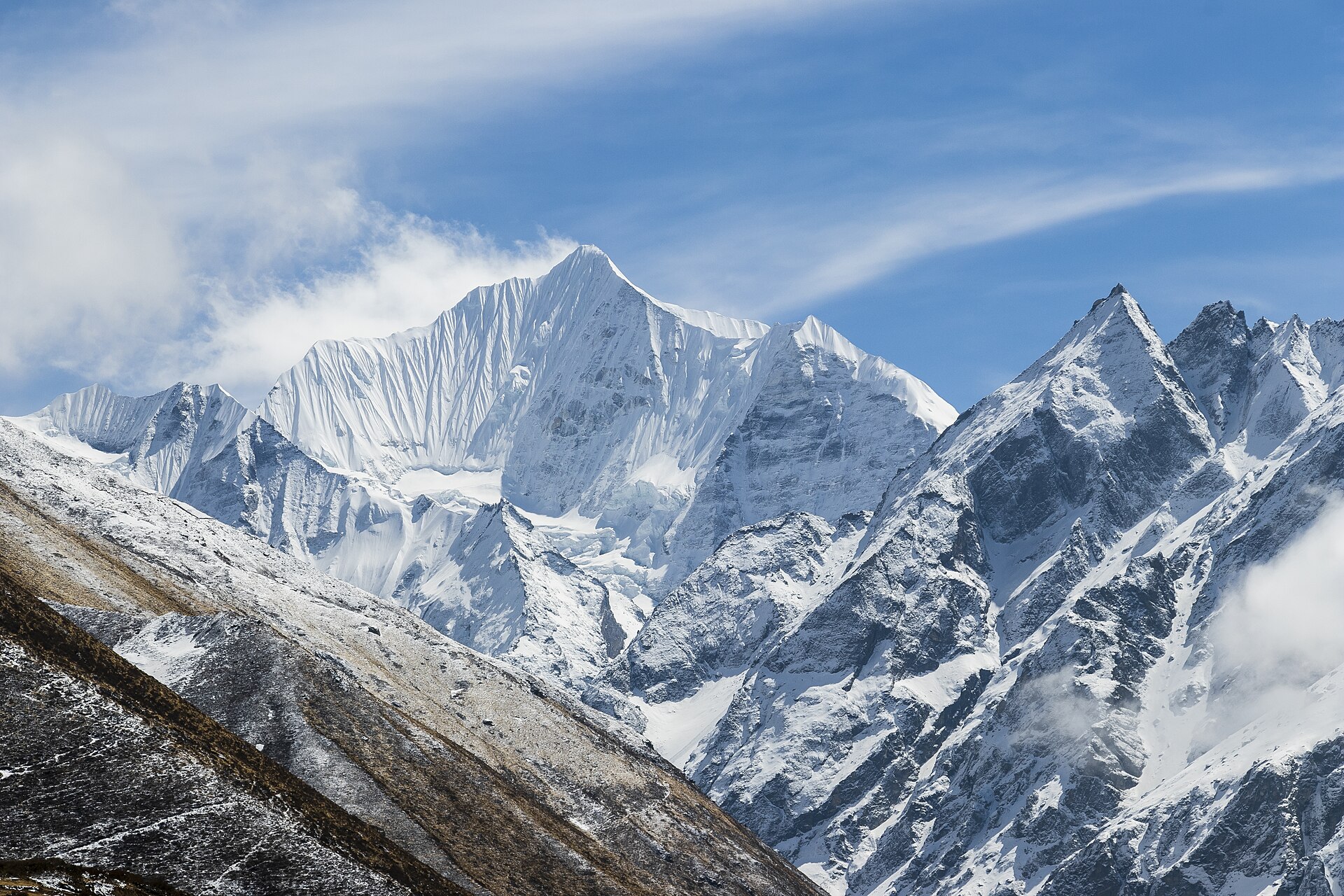
Five ways to fly
From one shared seat over Everest to a same day rescue out of the Khumbu.
Everest, Annapurna and Langtang from the air, back the same morning.
Learn moreThe whole helicopter, your timing, nobody else on board.
Learn moreBuy one or two seats on a flight other travellers are already filling.
Learn moreEmergency flights out of the trekking areas. Call us to start one.
Learn moreRegular transport, survey work, filming and cargo flights.
Learn moreWhy us
Nepal has excellent helicopter operators and no easy way to compare them. Every company has its own website, its own prices and its own inbox. We put them all on one page. The same Everest tour can cost about fifteen per cent more from one operator than another, and there is nowhere else you can see that.
Compare instead of guessing
See every operator that flies your route, with their prices side by side. One operator's own website cannot show you that.
Nothing to pay upfront
Operators send you a price and you choose. You pay only after you accept one. If none of them suit you, you pay nothing.
Licensed operators only
We check every operator's flying licence and take them off the site the day it runs out.
Honest about the weather
Flying in the Himalaya depends on the weather. We would rather tell you that now than at the helipad.
Talk to a person
Prakash Shrestha
Charter specialist, 12 years booking flights in Kathmandu
Tell me your dates and how many of you there are. I will tell you which operators really have a helicopter free, not just who replies first.
The aircraft
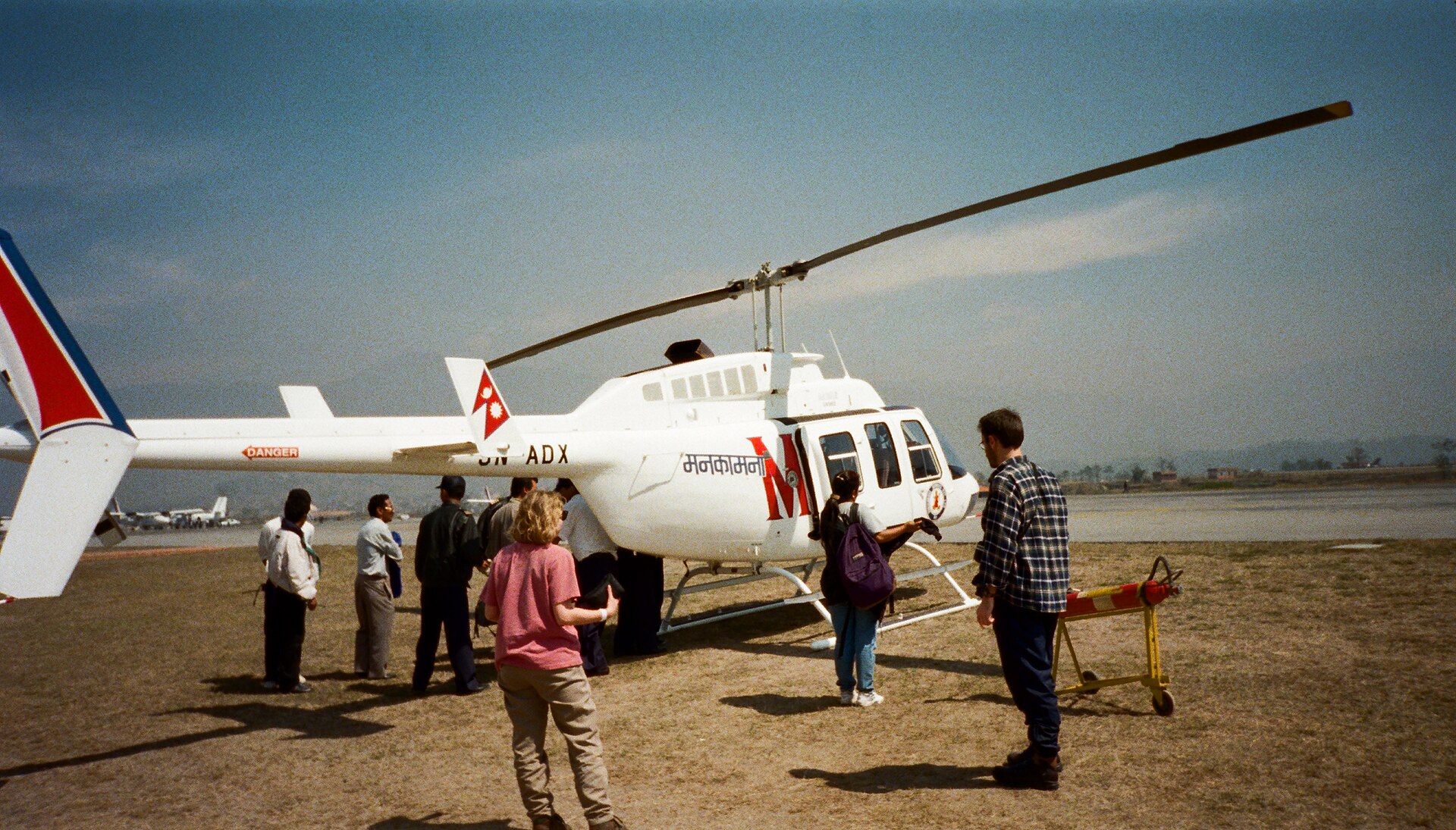
Nepal uses single engine AS350 and H125 helicopters for high mountain work, and twin engine machines for cargo and rescue.
© Sumita Roy Dutta / Wikimedia Commons · CC BY-SA 4.0The helicopter you will see most in Nepal. This type made the highest helicopter landing ever, on the summit of Everest.
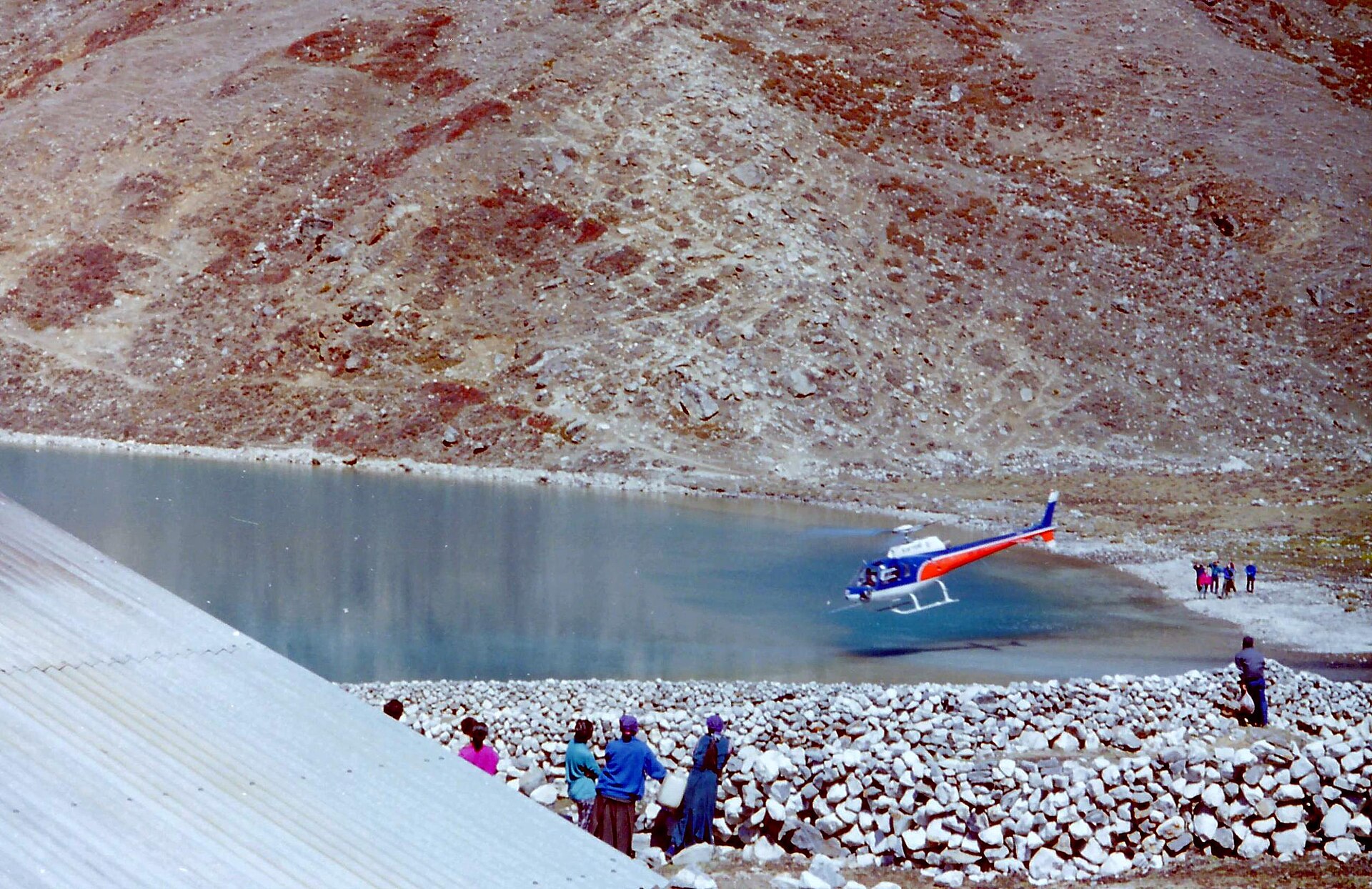 © Calistemon / Wikimedia Commons · CC BY-SA 3.0
The newer version of the AS350. It can carry more weight high up, which makes it the usual choice for Everest and Annapurna tours.
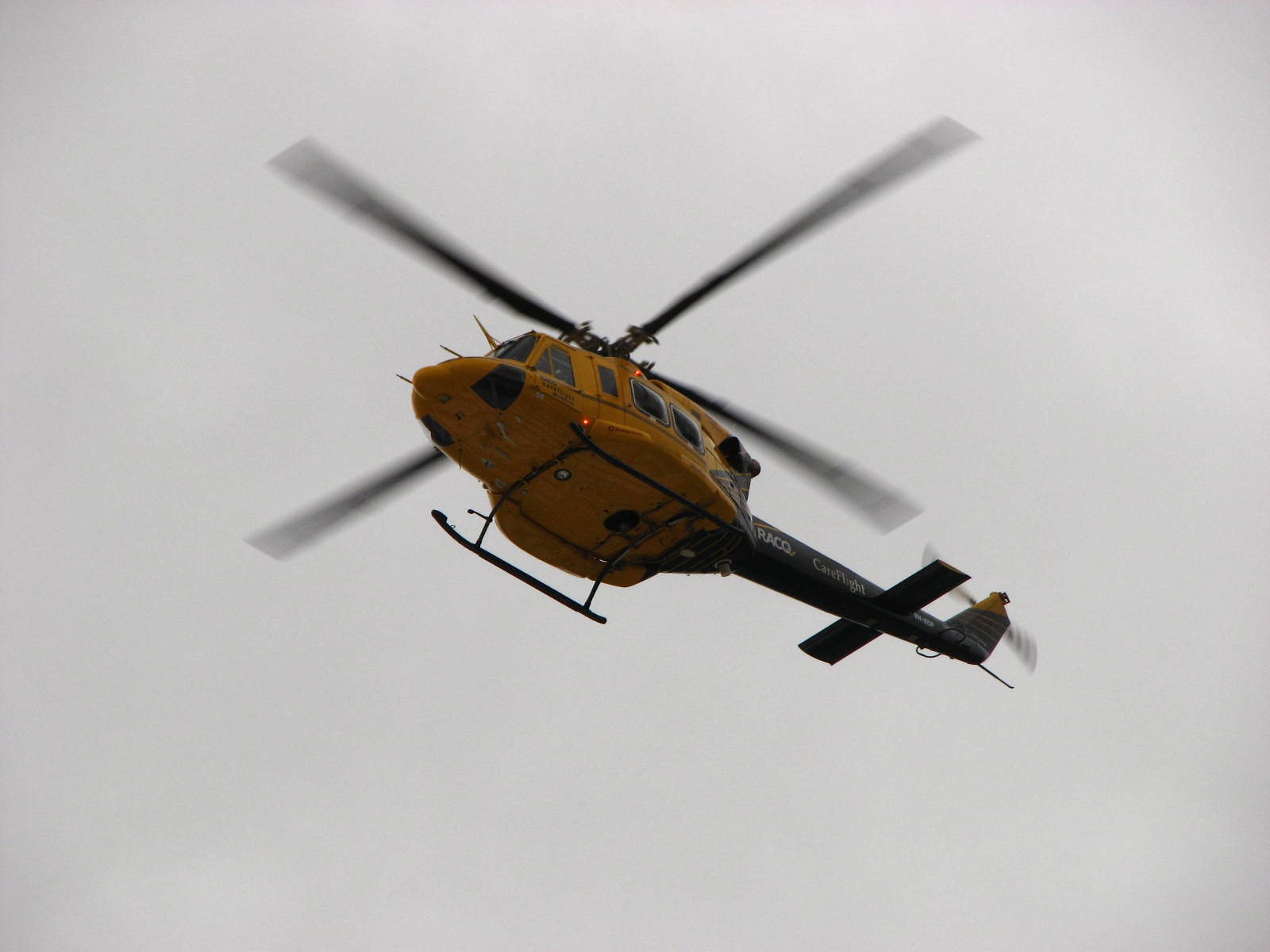 © Highway Patrol Images / Wikimedia Commons · CC BY 2.0
Two engines and a bigger cabin. It is used for larger groups, for carrying cargo underneath, and for rescues a smaller helicopter cannot do.
Four steps
One request reaches every licensed operator that flies your route. They have four hours to answer. You pay nothing until you accept one of them, and if nobody answers in time the request ends and you pay nothing.
Pick where you want to go, when, and how many of you are travelling.
See every certified operator's price for that exact flight, cheapest first.
Send the request to the operator you choose. Nothing is charged at this point.
They accept within four hours, you pay, and you get your departure time.
As featured in
Flown with us
Every review here is linked to a real booking we can look up. We cannot write them, and neither can an operator.
No reviews published yet.
A review can only be written by someone who booked and flew — we cannot add them ourselves, and we would rather show none than show invented ones. The first will appear here once a flight is completed and reviewed.
Questions
The things people ask before their first helicopter flight.
Still unsure? Ask us directly.
You are not charged for a flight that does not happen. The operator will offer you the next time that works, or give all your money back if you cannot wait. Weather in the Himalaya can close a valley with very little warning. During the monsoon, from June to August, delays are normal rather than unusual.
It matters more than almost anything else. A helicopter can lift much less as it climbs higher, so every operator sets a weight limit for each passenger. It is usually 75 kg including your day bag, and you will be weighed at check in. If your group weighs more than you told us, the operator may fly you up in two trips or turn the flight down.
Yes, and you do not have to arrange it. The operator flying you covers the helicopter and everyone on board with their own insurance. We check that their flying licence and their insurance are still valid before they can take a single booking, and any operator whose papers run out stops getting work the same day. Their name is on your booking and on your invoice, so you can always see who is flying you.
In the busy months, October and November and then March and April, book two to four weeks ahead for a shared seat. Leave longer if you want the whole helicopter on a set date. At quieter times a few days is usually enough. Lukla transfers and rescue flights go the same day.
Only after an operator accepts your request, never before. You send your dates, the operator has four hours to accept or turn it down, and nothing is payable until one of them accepts. If nobody answers in time, the request ends and you pay nothing.
Yes, on most scenic routes. Sharing puts you on a flight other travellers are filling, at roughly an eighth of the price of the whole helicopter. Restricted routes like Upper Mustang, and all rescue work, have to be booked as a whole helicopter.
Travel tips, offers and stories
October and November give you the clearest air of the year. Here is what each season actually looks like from the cockpit, and when not to bother.
Photographs: © calflier001 / Wikimedia Commons · CC BY-SA 2.0 · © stevehicks / Wikimedia Commons · CC BY 2.0 · © valcker / Wikimedia Commons · CC BY 2.0
They are also the weeks every operator fills first. Compare all eight on your route in one place. You pay nothing until one of them accepts your dates.